
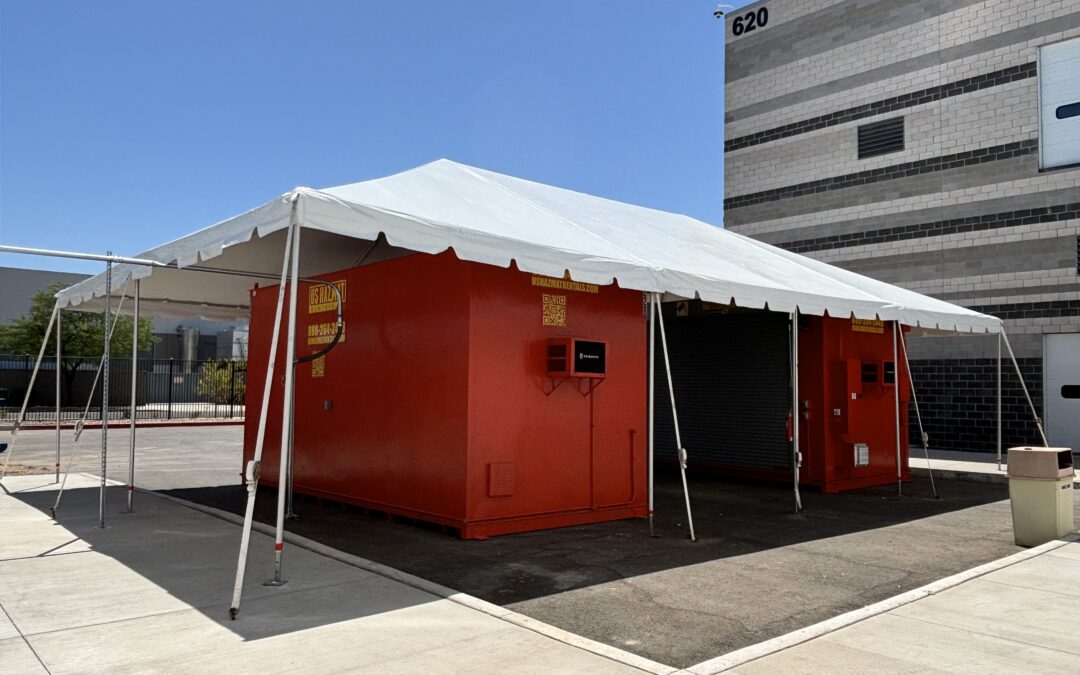
Whether you’re renting a tent for industrial storage, a jobsite, or a corporate event, one of your biggest concerns will likely be the permits required to set up your structure. If you live or work in California, it’s important to be aware of the legal requirements behind putting up a temporary or semi-permanent tent. Below, we’ll give you everything you need to know about getting permits for a tent in California!
When Do You Need a Permit for a Tent in California?
Permits are necessary for tent rentals in California in a variety of cases, including for functions like corporate events, industrial storage, and worksites. Titles 19 and 24 of the California Code of Regulations state that tents and other temporary membrane structures require permits if:
- They consist of a combined area in excess of 200 square feet
- They feature canopies in excess of 400 square feet
Other types of permits, such as fire safety permits, are necessary for tents that we will discuss below.
Why Tent Permits Matter
Tent permits are important because the required permits you may need will potentially impact how you structure your event or jobsite, as well as the tent rental company you choose. In general, permits are required for safety purposes. They regulate factors like tent size, site placement, and structural integrity requirements to exact standards, ensuring that everyone under the tent remains safe and secure. Failure to abide by or secure permits can make you or your company liable for any injuries, damage, or other infractions resulting from your setup.
Common Factors That Determine If You Need a Tent Permit
There are a variety of considerations you must take into account if you are trying to secure a tent permit. Some of the factors you’ll have to consider are:
- Tent Size: Small tents (less than 400 square feet) may not require a permit, but larger tents often do.
- Site and Location: You may or may not need a permit for tents on private property, but public locations will generally require permits.
- Attendees: The larger your crowd or gathering is, the more likely it will be that you need safety permits and features such as alternative exits, fire safety, and other security measures.
- Duration of Setup: Permits and regulations are stricter for long-term tent installations than they are for shorter setups.
- Event Type: Other permits may be required if you are hosting a public event involving live music, alcohol, or commerce.
What Documents May Be Required for a Tent Permit?
Applying for tent permits in California often requires you to submit several types of documents to receive approval. Some documents you may need include:
| Document Type | What’s Included? |
| Site Plan |
|
| Seating Plan |
|
| Table Arrangement |
|
| Stage Locations |
|
| Cooking Locations |
|
| Gas and Electrical Plan |
|
| Other Permits |
|
| Contact Information |
|
Safety Requirements for Tents and Canopies
Depending on your jurisdiction, California authorities may require any number of safety precautions to ensure that your tent installation meets state standards. These safety requirements may include:
- Fire code permits for tents in excess of 400 square feet (with sides) or 700 square feet (without sides).
- Tents must be installed a minimum of 12 feet away from all structures or other tents.
- Tents must be made of flame-resistant material and carry a permanently affixed label or certification from the California State Fire Marshal.
- There must be a minimum 3-foot clear space between the interior fabric and all equipment or contents.
- Generators must sit at least 20 feet away from tents, with LP-gas containers securely fastened in an upright position.
- Readily accessible fire extinguishers are required, with additional K-rated extinguishers required for deep fryers.
How To Apply for a Tent Permit
The process of applying for a tent permit is generally similar regardless of whether you are renting in Los Angeles, the Bay Area, or other locations. To apply successfully, follow these general steps:
- Submit a detailed site plan to the permit authority
- Provide proof of insurance and liability coverage
- Include a timeline of your expected setup and breakdown
- Obtain and provide engineering and flame-resistance certification
How Long Does the Tent Permit Process Take?
The process of receiving a permit for a tent installation can take time, often between two and six weeks. This is a result of the need for rigorous reviews and confirmations of your adherence to standards, state inspections and approvals, and the determination of various restrictions. Processing times may be slow, so it is extremely important to start the process as early as possible.
Additional Permits You May Need
In addition to basic permits for setting up a tent, you may also need permits for accessories, add-ons, and other factors such as:
- Lighting and Sound Equipment
- HVAC or climate control
- Portable restrooms or washing stations
- Noise and live music
What Happens If You Install a Tent Without a Permit?
Installing a tent without a permit is generally ill-advised, as it can lead to a number of costly consequences. Improper permits may result in you or your company paying hundreds or thousands of dollars in fines, being forced to postpone or cancel your event or installation, and possibly even facing legal consequences or liability for accidents and injuries.
To avoid these issues, be sure to contract and work closely with a reputable tent rental company like All Occasions Tents so that the process will be as smooth as possible!