
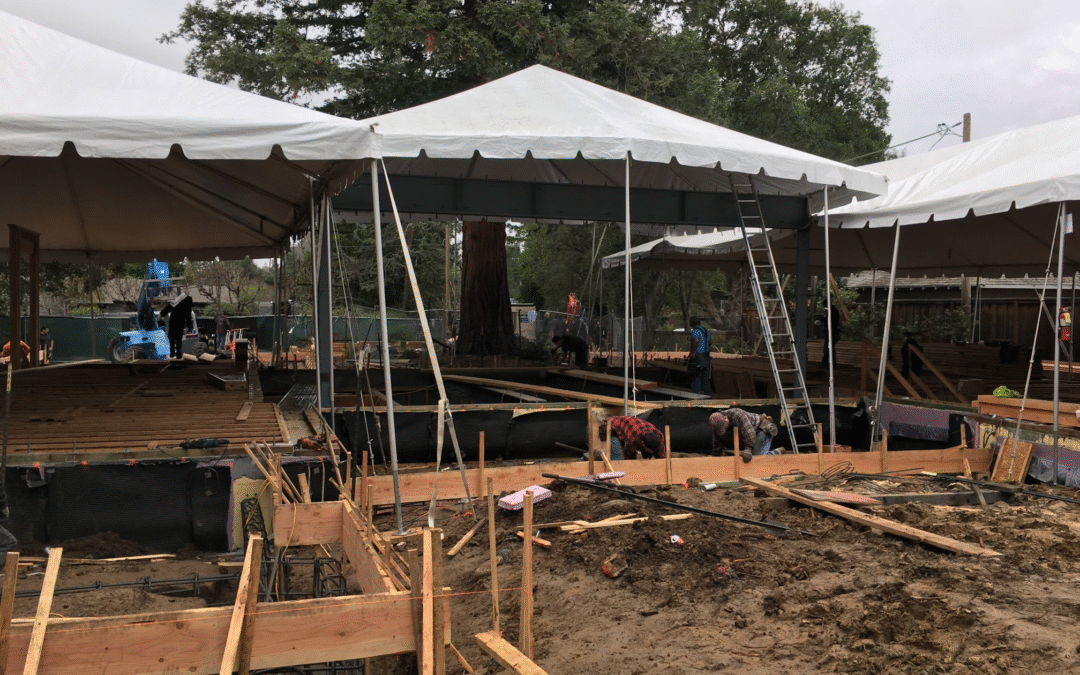
Contractors can use tents for storage, as a workspace, or even as a crew shelter during long-term projects. Purchasing such tents generally doesn’t make much sense, so high-quality tent rental companies are needed. However, there is a lot of variety between specific rental companies and the tents they offer. In this article, we discuss everything that a contractor should know before renting a long-term tent rental in Phoenix, Arizona.
Why Long-Term Tent Rentals Make Sense for Contractors
Long-term tent rentals make sense for contractors first and foremost because they are cost-effective. Renting a tent tends to be much cheaper than buying tents and storing them whenever they are not in use. Long-term tent rentals also allow you to scale and shift the layout of your text in a very fast and flexible way that is simply not feasible when you’ve decided to buy a tent instead.
What Counts as a Long-Term Tent Rental?
A long-term tent rental generally describes any tent rental that lasts several months or longer. Some tent rental companies will even lease you a large tent for up to 24 months and then provide renewable leases where you sign new contracts and/or negotiate your current contract but keep the tent rental going.
Key Factors Contractors Should Evaluate Before Renting
Tent Size and Layout Requirements
The most important factor to consider is the exact tent size and layout you need. Smaller tents (around 20’x20’) are better for small storage while larger tents (around 50’x50’) can be used for full workspaces. Anything over a certain square footage will require certain permits, and you also will have to take into account designated parts of the layout for break areas, equipment, and clear egress routes.
Intended Use
The second main factor is to discuss what the tent’s intended use is, whether that is storage, workspace, and/or crew shelter. Any of these might need ventilation, side walls, or perhaps seating depending on your business’ specific needs.
Site Conditions
Once you know the size, layout, and intended use, look at your potential site’s conditions. Take note of the available space, surface type, any uneven ground, and any need for anchoring or pools based on these factors. Each site will handle certain tent types differently.
Access for Delivery, Installation, and Teardown
You should also make sure that there is proper access so that your rental provider’s team can properly deliver, install, and teardown your requested tent.
Tent Types to Consider for Long-Term Contractor Use
The three main tent types used for long-term rental use are pole, frame, and tension structures. Pole tents are best for grass surfaces and large outdoor spaces, frame tents are best for concrete and tighter spaces, and tension structures are ideal for any large, long-term rental use.
Permits, Site Prep, and Compliance Considerations
As part of your rental prep, double check necessary permits, site prep, and policy compliance. Certain permits may be required, especially once a certain square footage has been obtained. Site grading, anchoring, and surface requirements will need to be determined alongside any safety, insurance, and provider qualifications. We help clients navigate the permit procurement process and coordinate key planning details so installation stays on track. Confirm any local Phoenix requirements early so that there is no delay in getting your tent set up.
How to Compare Long-Term Tent Rental Providers
Experience with Contractor and Industrial Projects
When comparing long-term tent rental providers, you should start by looking at any experience they have working with contractors and industrial projects. Years of experience are naturally preferred, especially with your specific kind of long-term rental.
Inventory Quality and Tent Condition
The quality of a company’s tents and their overall inventory is also crucial. You will want to make sure that your tent is in great condition, as are any add-ons that you request. Make sure that that each provider has all of the options that you want and/or need.
Licensing, Insurance, and Setup Capabilities
Your tent rental providers should cover all licensing, permits (if necessary), insurance, and be responsible for following all local and federal safety protocols. There could also be some added liability and damage waivers involved as well. This is also a great time to see what kind of maintenance is promised.
Contract Clarity, Service Terms, and Response Time
When comparing tent rental providers, look at the clarity of their contracts (especially when looking at packaged quotes vs. itemized quotes) and understand exactly what services are offered. Response times should be quick, particularly when it comes to sending you a complete and accurate quote.
Questions Contractors Should Ask Before Signing a Rental Agreement
What is included in the base quote?
The actual tents as well as full delivery, installation, and teardown are included in the base quote. Everything else (lighting, heating, air conditioning, sidewalls, etc.) is generally added on to the base quote, but you should always ask specifically when you are requesting your custom quote.
Are maintenance, repairs, or adjustments covered?
Basic maintenance and repairs are often covered, but you should again ask before signing. Ask about change orders and pricing options when it comes to potential maintenance, repairs, or adjustments over the course of your rental.
What happens if project timelines change?
You will naturally request a tent rental that lasts however long you expect your project to last, but these estimates can unfortunately be delayed for a variety of reasons. Ask your rental company what renewal options or adjustments are available if project timelines change.
Are weather-related reinforcements included?
Most weather-related reinforcements, such as sidewalls or climate control elements (heater, air conditioning) are not included in the base quote, but you should ask if you are worried about weather conditions.
What are the teardown and removal terms?
Ask for a clear teardown timeline and removal terms so that no damage or minimal damage is done to the site and so that everything is kept on a tight deadline.
Long-Term Tent Rental vs. Buying for Contractors
Long-term tent rental is the smarter option when contractors need reliable covered space for ongoing operations, lack the storage capacity for a large tent, and value the flexibility a rental provider offers.
Buying a tent is really only necessary when a contractor’s needs are very specific, they have the needed storage space, they will use the tent frequently, and you want total control over the maintenance and customization of the tent instead of letting the rental company handle those aspects.
Final Thoughts
If you’re a contractor who is preparing to do a long-term project in Phoenix, Arizona, you will likely need to rent a tent either for storage, workspace, or crew sheltering. For these applications, temporary tent structures can provide flexible, non-permanent space throughout the project. Make sure that you know exactly what size and type of tent you need and then properly compare tent rental providers before deciding who to work with. If you ask all of the right questions and have a clear contract, you are going to end up with a flexible and cost-efficient option for your next project!