
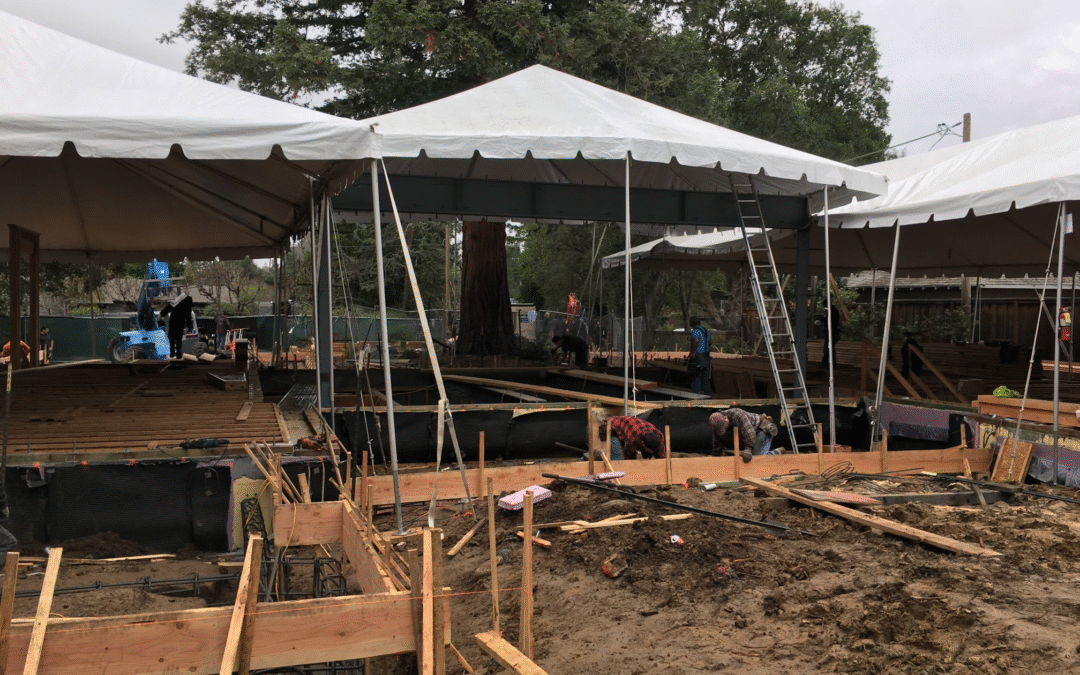
Construction sites often face unpredictable conditions, including weather, space constraints, and safety needs, that can impact efficiency and morale among laborers and overseers. In order to keep workers safe and comfortable during long and dangerous jobs, many construction companies invest in temporary or long-term tents on their job sites.
Construction tents, or temporary work shelters, have become essential tools for protecting people, materials, and schedules. In this guide, we’ll cover how these tents enhance the productivity, comfort, and safety of a construction site while offering flexible solutions for every type of project.
Construction tents create a comfortable environment for workers during breaks. They provide a safe space away from the harshness of the project site. These tents can store construction materials, tools, and equipment, keeping them safe and organized. Large-scale assembly or production activities can be carried out under these tents, providing a controlled environment. Construction tent rentals are also utilized as staging areas for materials before they are used on-site.
What Is a Construction Site Tent?
A construction tent is a portable, modular structure designed to provide shelter and controlled environments on job sites. Coming in many different sizes, shapes, and configurations, construction tents are typically used as worker rest areas, for material storage, or as on-site work zones. Construction tents can be permanent, semi-permanent, or temporary depending on project needs.
Construction tents create a comfortable environment for workers during breaks. They provide a safe space away from the harshness of the project site. These tents can store construction materials, tools, and equipment, keeping them safe and organized. Large-scale assembly or production activities can be carried out under these tents, providing a controlled environment.Construction tent rentals are also utilized as staging areas for materials before they are used on-site.
Types of Construction Tents
There are a few different types of construction tents that you might come across if you’re working a job or visiting a construction site. The table below lists some of the most common types of construction tents:
| Tent Type | Features |
| Open-Sided Tents | Allow for ventilation and easy access, ideal for mild climates |
| Fully Enclosed Tents | Provide protection from dust, debris, and severe weather |
| Clear-Span Tents | Offer unobstructed interior space for large-scale operations or equipment storage |
| Break and Lunch Tents | Designed specifically to give workers a comfortable rest area |
Key Benefits of Construction Site Tents
1. Weather Protection and Safety
Construction site tents are most beneficial for the shelter they provide workers and important building materials. A construction tent shields workers and materials from rain, wind, heat, and snow, prevents work delays due to extreme conditions, and enhances job-site safety by minimizing slip hazards and exposure risks.
- Rain Protection: Construction tents act as waterproof barriers, preventing rain from slowing down work and damaging sensitive equipment or materials.
- Heat Relief: During summer months, construction workers can suffer from heat exhaustion. A tent provides shade, ensuring a cooler environment for your team and helping to reduce heat-related health issues.
- Temperature Control: Construction tents can be equipped with heating or air conditioning systems. This means that no matter if it’s scorching summer or freezing winter outside, your workers have a comfortable workspace inside the tent.
- Humidity control: High levels of humidity can negatively impact certain construction materials or slow down drying processes. With climate-controlled tents, you can regulate the humidity level and prevent any potential issues.
2. Improved Efficiency and Productivity
Construction site tents greatly enhance the efficiency and productivity of a job site. They reduce downtime by keeping work moving during poor weather, shorten travel time for breaks with on-site rest spaces, and enable on-site meetings, training, and quality control in controlled environments.
Construction tents allow workers to continue their tasks regardless of the weather. The shelter they provide can keep the work environment more consistent and comfortable, allowing employees to focus on the task at hand. The ability to work through inclement weather conditions means you can stay on track and avoid unnecessary delays.
Furthermore, providing workers with a comfortable workspace can improve morale, reduce stress, and ultimately lead to higher efficiency. Construction tents can be equipped with lighting, fans, or heaters, depending on the season, ensuring a productive and safe environment throughout the project.
3. Controlled Work Environments
A construction site tent ensures that all work takes place in a controlled environment. A tent can help regulate temperature and humidity for tasks like painting, curing, or plastering. Tents also reduce dust and debris contamination and provide stability for sensitive construction phases, leading to better-quality outcomes.
- Concrete pours: Construction tents can be used to protect fresh concrete from the elements, allowing it to cure correctly and achieve maximum strength.
- Plumbing installations: Plumbing work often requires a controlled environment to prevent damage from freezing temperatures or excessive heat. A construction tent provides this controlled environment.
- Masonry jobs: For brickwork, stonework, or refurbishing existing structures, a construction tent can protect against weather damage and provide a safe workspace.
- Demolition and renovations: These projects can generate dust and debris. A construction tent helps contain this, minimizing environmental impact and maintaining a clean worksite.
- Environmental service protection: Construction tents can help in containing spills, managing waste, or sheltering delicate ecosystems during environmental remediation.
4. Comfort and Morale for Workers
Construction site tents keep workers comfortable, rested, and happy. They offer shaded, climate-controlled areas for meals and rest, promoting worker well-being, reducing fatigue, and improving focus. The comfortable, communal spaces within site tents allow workers to communicate better and encourage teamwork.
- Lunch rooms and break areas: A well-rested crew is an efficient crew. Construction tents can be outfitted as comfortable break areas or lunchrooms.
5. Secure Storage and Equipment Protection
Construction site tents can be easily secured and protected from intruders. Stable tent exteriors provide enclosed, lockable areas for tools, machinery, and materials, reducing the effects of theft, loss, and weather damage. This saves time and reduces transport costs by keeping materials on-site.
- Weather Protection: Construction tents keep building materials, tools, and machinery safe from the elements. This is particularly important for materials that can warp, rust, or become damaged when exposed to water, such as wood, metal, and machinery.
- Secure Storage: Tents can be locked to keep expensive equipment and tools secure overnight or when not in use.
This helps reduce the risk of theft, especially in areas where your construction site may be vulnerable.
6. Emergency and Safety Shelter
As an added benefit, a construction site tent can serve as a protected area during storms or site emergencies. Such tents are engineered to meet wind and blast-resistance standards, meaning workers can stay safe in bad conditions. Additionally, construction tents are portable and reusable, and can be relocated as a project evolves.
7. Versatility and Customization
Construction site tents are extremely versatile and customizable, being available in a range of sizes and configurations. Many come with options for lighting, doors, flooring, insulation, and climate control. Overall, their modular design allows for construction tents to be expanded or reconfigured as project demands shift.
- Breakrooms: Construction tents create a comfortable environment for workers during breaks. They provide a safe space away from the harshness of the project site.
- Warehousing: These tents can store construction materials, tools, and equipment, keeping them safe and organized.
- Fabrication: Large-scale assembly or production activities can be carried out under these tents, providing a controlled environment.
- Material Handling: Construction tent rentals are also utilized as staging areas for materials before they are used on-site.
Beyond versatility, these structures offer a high degree of customization. Based on project requirements, construction tent rentals can be equipped with additional features such as:
- Power outlets
- Lighting fixtures
- Specific flooring to withstand heavy machinery
- Heating or air conditioning systems for adverse weather conditions
- Security options like cameras or alarms
This level of customization ensures that the temporary structure caters to every specific need of your project.
Understanding the importance of versatility in construction projects is key. With varied functions served by these temporary structures and customizable features available at your disposal, construction tent rentals prove to be an optimal solution for complex project requirements.
8. Cost-Effective Solution
Renting construction tents offers a cost-effective alternative to building permanent structures on-site. Temporary shelters can be set up quickly without the need for significant capital investment, reducing upfront costs.
- No Long-Term Commitment: Unlike permanent buildings, tents are temporary and only needed for the duration of the project. Once your project is complete, the tents can be easily removed, leaving no ongoing maintenance costs.
- Save on Construction Time and Labor Costs: By renting a construction tent, you save on the labor and time needed to construct permanent shelters. With the ability to set up tents quickly, you can maintain your project timeline and reduce delays, ultimately saving costs.
Construction tent rentals also provide a more budget-friendly option for smaller projects that don’t require large-scale construction.
9. Quick Setup and Removal
Construction projects are time-sensitive, and the ability to quickly set up and remove temporary structures can be crucial in maintaining the flow of work. Construction tents can be assembled in a fraction of the time it would take to build a permanent structure.
- Fast Installation: Experienced rental companies can have your construction tent up and ready in no time. With minimal setup time, workers can begin using the space immediately, helping to avoid delays.
- Easy Removal: When the project is finished, construction tents can be removed just as easily. Since they don’t require permanent foundations or extensive labor, they can be disassembled quickly, leaving no lasting impact on the site.
10. Improved Project Aesthetics
While construction tents are primarily practical, they can also improve the overall appearance of your construction site. A neat, organized site gives a professional impression to clients, visitors, and inspectors.
- Clean Look: Tents can help conceal unsightly areas of a construction site, such as piles of raw materials or equipment. This contributes to a cleaner and more organized workspace.
- Temporary Offices or Meeting Spaces: Construction tents can also be used to create temporary offices, break rooms, or meeting spaces for contractors, engineers, and other key project stakeholders. Having these areas available can help streamline communication and project management.
11. Environmental Considerations
Construction projects are increasingly subject to environmental regulations and sustainability standards. Choosing construction tent rentals can contribute to a more eco-friendly project.
- Reduced Environmental Impact: Since construction tents are temporary, they leave a smaller environmental footprint than permanent structures. They do not require significant land disruption, and there is little to no waste generated during their use.
- Energy Efficiency: Construction tents can be equipped with energy-efficient lighting and ventilation systems, helping to reduce the energy consumption on-site.
Choosing the Right Construction Tent
If you’re planning a major construction project, whether as a first-time contractor or a veteran project manager, you may need to invest in one or more tents for your site. To start the process of choosing the right construction tent for your project’s needs, follow these steps:
Assess Your Project Needs
Begin by determining the bounds and necessities of your project, and how you will use tents to facilitate it. Determine the size of the tents you will need and the duration of time you’ll need them for. Typically, small tents are best for short-term shelters, while large, clear-span tents are ideal for long-term coverage.
Also be sure to consider your location when investing in tents. Keep in mind that if your site is located in an urban area, you’ll likely have more limited space, while a remote location may offer more area for tents, but pose the problem of uneven terrain. Finally, consider the function of the tents you will need. Will you be using them for storage, break areas, or enclosed workspaces?
Expansion and Adaptability
Construction tent rentals have a unique advantage due to their design that allows for expansion and adaptability. This is especially beneficial for construction projects where the spatial requirements may change over time, calling for a flexible solution that can adjust to new demands.
- Expansion: The modular design of these tents makes it easy to add or remove sections as needed. You can start with a smaller structure and then expand it later on as more space becomes necessary during different phases of the project. This feature is particularly valuable for construction jobs that are divided into multiple stages and may experience unexpected shifts in requirements.
- Adaptability: Construction tent rentals are specifically created to be versatile enough to accommodate various ground surfaces and environments. This ensures that they can be easily set up in different site conditions without any complications. With changing work situations such as variations in workforce size or the type of tasks being performed, the layout inside these tents can be adjusted to make the best use of available space.
The flexibility of these tents goes beyond just physical space; they also allow for the inclusion of essential features like HVAC systems for climate control or specialized flooring that can support heavy machinery. This means that with construction tent rentals, you have the freedom to customize your temporary structure according to the evolving needs of your project.
By incorporating expansion and adaptability into your project planning through the use of construction tent rentals, you can ensure that your worksite remains efficient and capable of adapting to any changes that may arise during the construction process.
Material Considerations
Next, consider what materials you want your construction site tents to be made of. Reinforced PVC or vinyl tents are ideal for durability and weather resistance, while more temporary tents may be made of lighter fabrics and metals like nylon or aluminum. Additionally, consider investing in tents made from fire-retardant and UV-resistant materials, as this will enhance the longevity and safety of your site.
- Fire Safety: Many construction tents are designed with fire-resistant materials, ensuring an added layer of safety on your job site, especially if flammable materials are involved.
Industrial Applications
In the world of industrial projects, construction tent rentals are crucial assets. These structures have a wide range of uses in industrial settings, including:
Environmental Remediation Projects
- Secure storage of hazardous materials
- Safe work areas for personnel handling contaminants
- Protection from adverse weather conditions which could otherwise spread pollutants
Construction tent rentals provide enclosed spaces that are perfect for environmental remediation projects. These controlled environments offer several benefits:
- Secure storage of hazardous materials: The enclosed space provided by a construction tent ensures that dangerous substances are kept safely away from the surrounding area.
- Safe work areas for personnel handling contaminants: Workers can carry out their tasks inside the tent, away from the general public or other workers who may be at risk of exposure.
- Protection from adverse weather conditions which could otherwise spread pollutants: The tent acts as a barrier against rain, wind, or other elements that could potentially carry pollutants outside the work area.
Repair and Refurbishment Work
Construction tents are also extremely useful for industrial sites that need repairs or upgrades. Here’s why:
- Minimized downtime due to quick setup and dismantling: Unlike traditional construction methods, setting up a construction tent is much faster and easier. This means that repairs can begin sooner, minimizing any disruption to the site’s operations.
- Customizable spaces tailored to specific project equipment and workforce requirements: Construction tents can be designed and configured to accommodate different types of machinery or equipment needed for the project.
- Enhanced on-site logistics through organized workspaces: By having a designated area for repair or refurbishment work, it becomes easier to manage tools, materials, and workflow on-site.
Temporary Field Office Solutions
Another important aspect of construction tent rentals in industrial settings is their ability to serve as temporary field offices. These mobile offices can be quickly set up in any location within the industrial site, offering:
- Immediate access to project management tools and documents: With a field office nearby, project managers can easily retrieve important files or access software systems needed for tracking progress.
- A centralized hub for meetings and administrative tasks: Instead of having to gather in a separate building or travel long distances, team members can convene at the field office for discussions or paperwork.
- Enhanced communication between on-site management and field workers: By having a physical presence on-site, managers can have more direct interactions with workers, addressing any concerns or providing guidance in real-time.
Through their versatility and adaptability, construction tents seamlessly integrate into various industrial operations, improving efficiency and ensuring smooth progress even in complex projects.
Work with Experts
Every site manager knows that expertise is vital to effectively execute a project. Seeking out professional consultation regarding your tent installations will help ensure that you get the correct sizing and configuration of tents for your needs, and will also ensure your site’s compliance with local and governmental safety standards. Expert consultation can also help you create custom tent designs, which can address project-specific challenges like ventilation, insulation, or lighting.
Conclusion
Construction site tents are more than temporary shelters—they’re productivity enablers and safety solutions. From weather protection to worker comfort, they support efficiency, safety, and morale across all project stages. Investing in a quality construction tent is a cost-effective way to ensure your project runs smoothly, safely, and on schedule. If you haven’t yet done so for your project, learn more about temporary tents for construction and consider setting up a consultation with a reputable tent rental company today!