
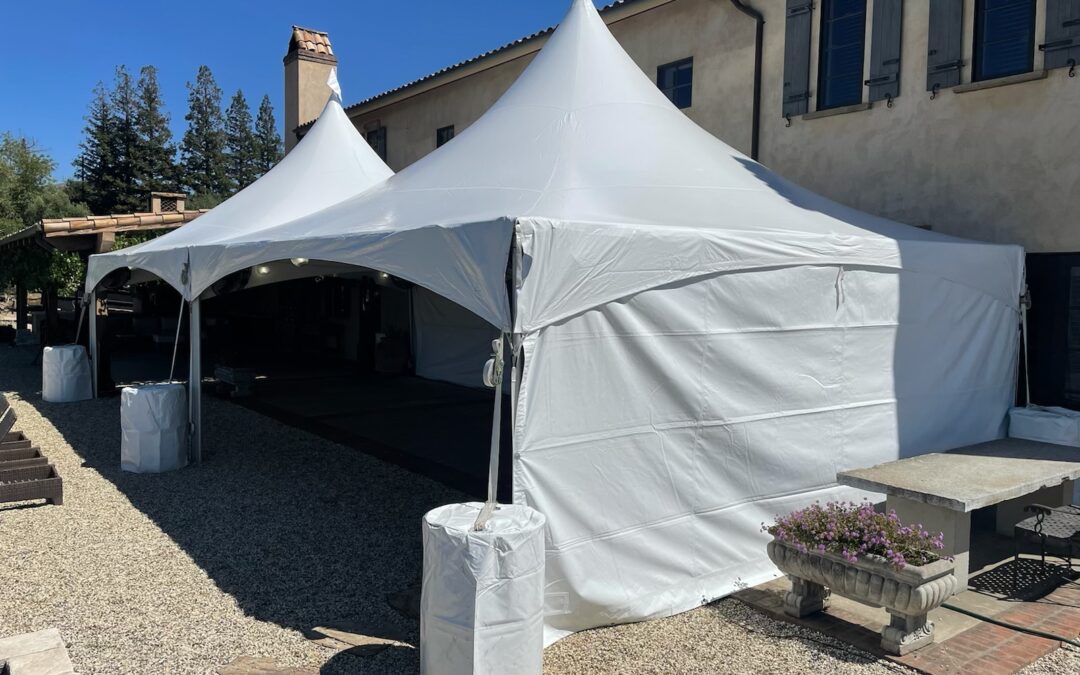
Tent sidewalls are versatile accessories for temporary and semi-permanent structures. They improve weather protection and create more functional spaces for events, construction projects, and commercial operations.
That said, no single sidewall type suits every application. The right choice depends on your specific needs and environment. This article explains what tent sidewalls are, the types available, and when each option makes the most sense.
What Are Tent Sidewalls?
Tent sidewalls are removable panels that attach to a tent’s frame to create a more enclosed and protected space. Available in several styles, they shield occupants and stored materials from wind, rain, sun, and dust while maintaining ventilation and visibility when needed.
Most sidewalls can be installed, removed, or adjusted individually to adapt to changing conditions. Their versatile design makes them a practical, cost-effective way to enhance functionality in temporary structures.
Why Tent Sidewalls Matter
Weather Protection
Tent sidewalls help block rain, dust, and harsh sunlight from entering the structure. This added protection helps keep occupants, equipment, and materials safe from harsh weather conditions.
Wind Protection
Strong winds can reduce comfort and create challenges inside open-sided tents. Sidewalls minimize wind intrusion and help create a more stable environment for work, storage, or events.
Temperature Control
Sidewalls reduce direct sunlight and limit exposure to cold air. This creates a more comfortable interior space and supports more consistent temperatures throughout the day.
Privacy and Security
Enclosed sidewalls create a visual barrier between the tent and surrounding areas. They also conceal valuable supplies and private activities from public view.
Insect Protection
Mesh and enclosed sidewall options can keep insects from entering the tent. This improves occupant comfort and helps create a cleaner, more enjoyable environment.
Common Types of Tent Sidewalls
Solid Tent Sidewalls
Solid tent sidewalls provide maximum coverage from wind, rain, sun, and dust. They are commonly used when weather protection and security are top priorities.
Clear Tent Sidewalls
Clear tent sidewalls create an enclosed environment while maintaining full visibility to the outside. They allow natural light into the tent and are popular for scenic venues and commercial applications.
Window Tent Sidewalls
Window tent sidewalls combine weather protection with increased interior brightness. Their clear window panels create a more open atmosphere without sacrificing coverage from the elements.
Custom or Branded Sidewalls
Custom sidewalls can be designed with logos, graphics, doors, windows, or specialized features. They enable businesses to create a professional appearance while tailoring the tent to specific functional requirements.
When Should You Use Tent Sidewalls?
Rainy or Windy Weather
Tent sidewalls provide an extra layer of protection when rain, wind, and blowing debris threaten an outdoor event. They keep guests and furnishings sheltered when weather conditions become unpredictable.
Cold Weather Events
Sidewalls reduce drafts and retain warmth inside the tent during cooler temperatures. When paired with tent heaters, they can create a more comfortable environment for guests and staff.
Hot Weather and Climate-Controlled Tents
Sidewalls can block direct sunlight, improving the efficiency of fans or air conditioning systems. This helps maintain a more consistent interior temperature during hot weather.
Weddings and Private Events
Many weddings and private gatherings use sidewalls to create a more intimate and refined atmosphere. They also provide privacy while protecting guests from inclement weather.
Markets, Fairs, and Vendor Booths
Sidewalls protect products from wind, rain, and excessive sunlight. They can also create a more organized booth layout and provide additional security during multi-day events.
Corporate and Branded Events
Businesses often use sidewalls to display logos and event messaging. They create a polished appearance while defining the event space.
Long-Term Outdoor Setups
Sidewalls are especially valuable for tents that remain in place for weeks or months. They provide ongoing protection from the elements and enable you to maintain a cleaner, more controlled environment.
Tent Sidewalls vs. Backdrops
The main difference between tent sidewalls and tent backdrops is their purpose. Tent sidewalls are designed to enclose a tent and protect against weather, wind, sunlight, insects, and outside distractions. Tent backdrops, by contrast, are primarily used for decoration, branding, photography, or creating visual focal points. Sidewalls are installed around the perimeter of a tent structure, whereas backdrops are typically placed behind stages, displays, head tables, or presentation areas to enhance the overall appearance of the space.
How to Choose the Right Tent Sidewalls
Consider the Weather
Think about the environment where the tent will be used. Solid sidewalls are often the best choice for protection against rain, wind, dust, and other weather conditions.
Consider Visibility and Natural Light
If maintaining outside views and natural light is important, clear or window sidewalls may be the better option. These styles create a more open feel while still providing protection from the elements.
Consider Airflow and Ventilation
Warm-weather applications often require increased airflow to keep occupants comfortable. Mesh sidewalls can improve ventilation by keeping insects and debris out of the tent.
Consider Privacy Needs
Some events and work sites require additional privacy and security. Solid sidewalls create a visual barrier that helps limit outside visibility and distractions.
Consider Branding or Customization
Businesses may benefit from custom sidewalls featuring promotional messaging. These options can enhance brand visibility and create a more professional appearance.
Are Tent Sidewalls Worth It?
Tent sidewalls are a worthwhile investment when your tent will be exposed to changing weather, strong winds, excessive sunlight, or heavy foot traffic. They improve comfort, protect equipment and materials, enhance privacy, and create a more controlled environment. For commercial, industrial, and event applications, the added functionality and protection easily justify the cost.
Choosing the Right Tent Sidewalls for Your Needs
The best sidewall option depends on how you plan to use the tent and the conditions it will face. Solid sidewalls offer maximum protection and privacy, while clear, window, and mesh options balance visibility, natural light, and airflow. Evaluating your weather exposure, occupancy needs, branding goals, and budget will help you select the most effective solution for your application.